World Water Day is observed annually on March 22nd to raise awareness about the importance of freshwater and advocate for the sustainable management of water resources. Established by the United Nations in 1993, this global event highlights the significance of clean water, sanitation, and hygiene (WASH) initiatives. With water being a fundamental necessity for life, World Water Day serves as a reminder to protect and preserve water resources for future generations.
Water is the lifeline of the planet, supporting ecosystems, agriculture, industries, and human health. The significance of World Water Day includes:
Raising awareness about the global water crisis and the need for sustainable solutions.
Encouraging responsible water usage to prevent wastage and pollution.
Promoting clean water access as a basic human right.
Highlighting the importance of sanitation and hygiene, reducing diseases caused by contaminated water.
Supporting the UN's Sustainable Development Goal 6 (SDG 6), which aims to ensure clean water and sanitation for all by 2030.
Water scarcity and pollution affect millions of people worldwide, making it essential to dedicate a day to this critical issue. The key reasons for celebrating World Water Day are:
Addressing the Water Crisis: Over 2.2 billion people lack access to safe drinking water, making it a pressing global challenge.
Encouraging Sustainable Water Use: Industries, agriculture, and households need to adopt water-efficient practices to prevent depletion.
Raising Awareness on Climate Change: Global warming is altering rainfall patterns and water availability, making conservation efforts more crucial.
Preventing Water-Related Diseases: Contaminated water leads to cholera, dysentery, and other deadly illnesses, emphasizing the need for improved sanitation.
Empowering Communities: By educating people about water conservation, communities can take steps toward self-sustainability and resilience.
Water holds deep spiritual and religious importance in various cultures and faiths:
Hinduism: The Ganges River is considered sacred, and water is used in rituals like ablutions and temple offerings.
Christianity: Water symbolizes purity and rebirth, as seen in baptism ceremonies.
Islam: Clean water is essential for wudu (ritual purification) before prayers.
Buddhism: Water represents calmness, clarity, and the flow of life in Buddhist philosophy.
Indigenous Beliefs: Many indigenous communities revere water bodies as life-giving spirits, emphasizing the need to protect natural sources.
Over 700 million people worldwide lack access to clean drinking water.
By 2025, half of the world's population may be living in areas facing water shortages.
Nearly 80% of wastewater is discharged into water bodies without proper treatment.
Agriculture consumes around 70% of the world's freshwater, making it the largest consumer.
Waterborne diseases cause nearly 3.4 million deaths annually, mostly in developing countries.
A person can survive a month without food but only a few days without water.
Organizations, communities, and individuals mark the occasion with various activities, including:
Educational Seminars and Campaigns: Schools and institutions hold awareness sessions on water conservation techniques.
Water Conservation Initiatives: People participate in tree-planting drives, clean-up programs, and rainwater harvesting projects.
Policy Discussions: Governments and NGOs discuss ways to improve water policies, infrastructure, and sanitation facilities.
Social Media Campaigns: The use of hashtags like #WorldWaterDay and #WaterForAll helps spread awareness online.
Charity Events and Fundraising: Organizations collect funds to build wells, install water filters, and provide sanitation facilities in remote areas.
World Water Day serves as a crucial reminder that water is not an infinite resource—it must be used wisely and responsibly. With global populations rising and climate change threatening water supplies, it is more important than ever to adopt sustainable water management practices. Whether through small personal actions like fixing leaks and reducing wastage or supporting large-scale initiatives, everyone has a role to play in ensuring clean water access for future generations.
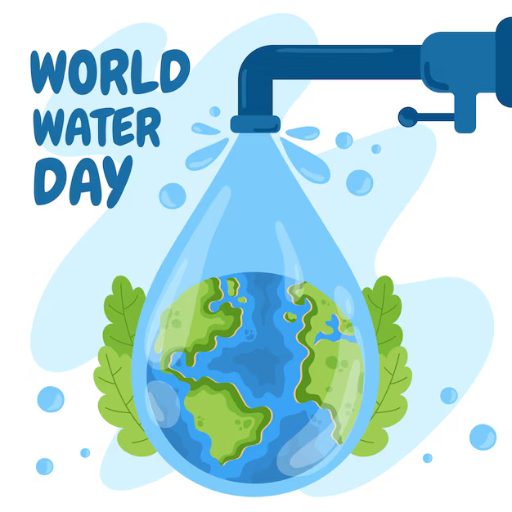
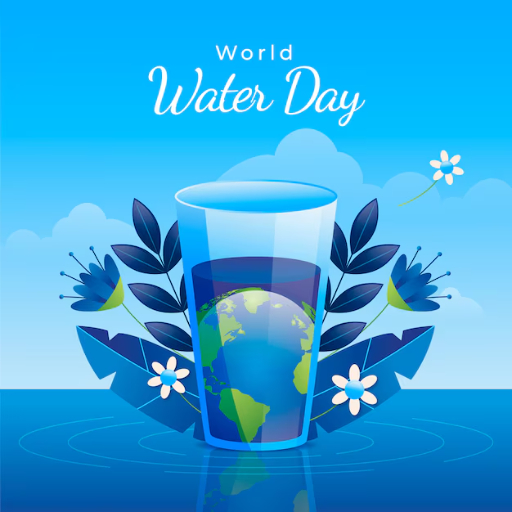
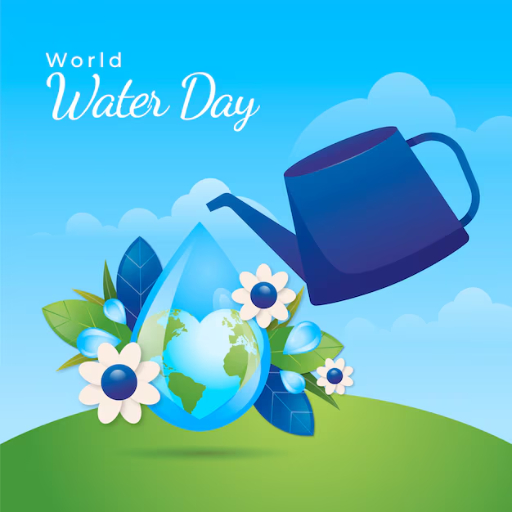
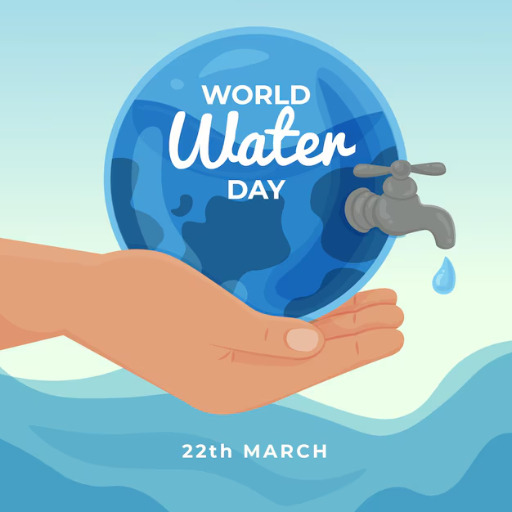
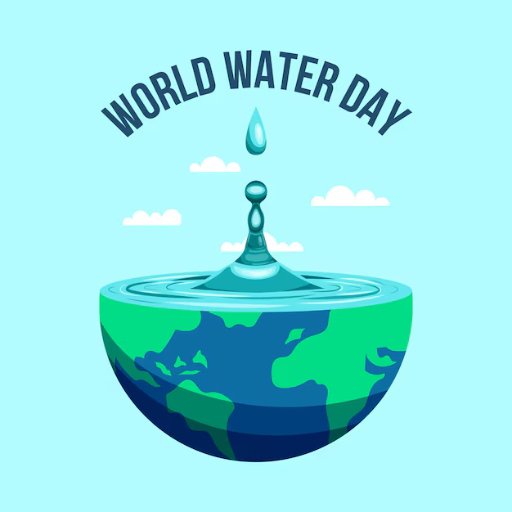
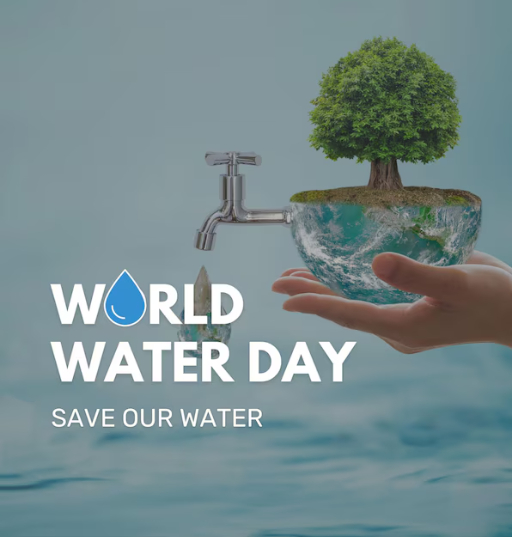
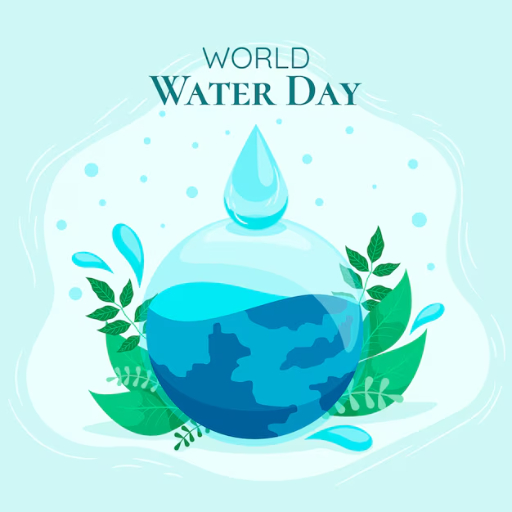
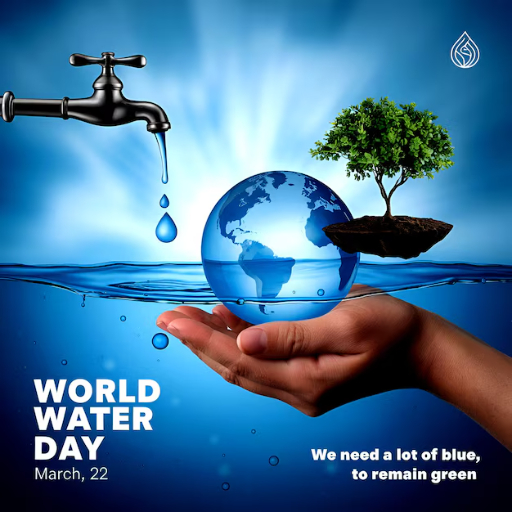
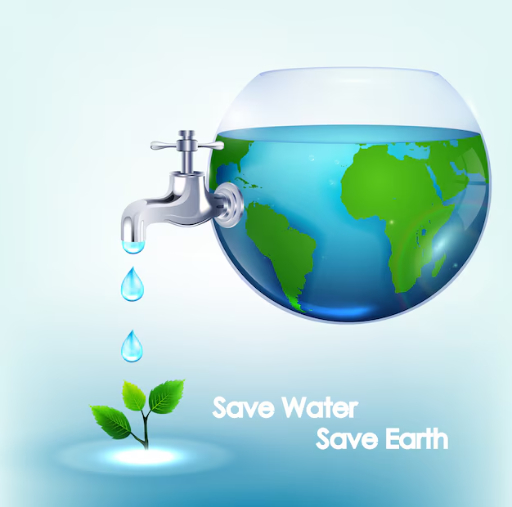
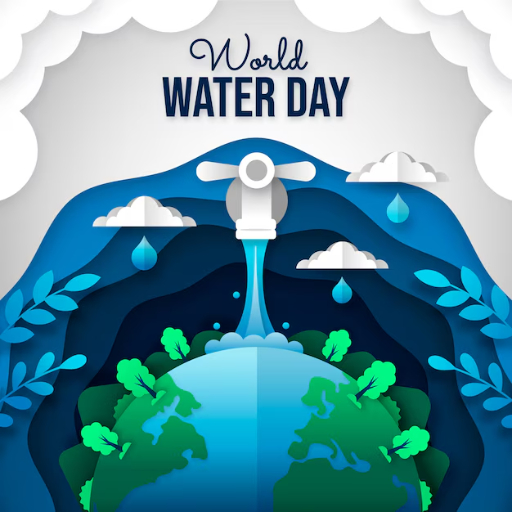
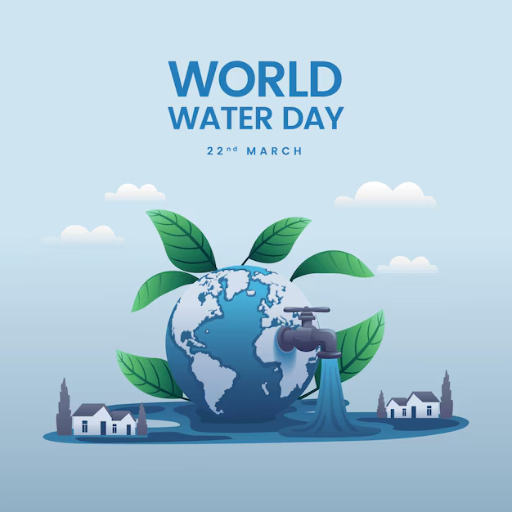
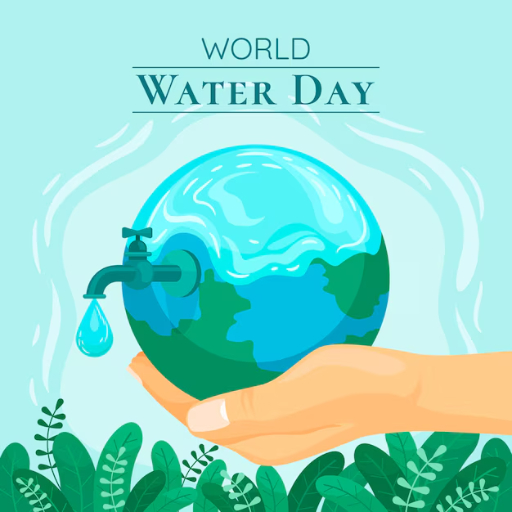
Crafty offers a wide range of World Water Day festival post templates, including customizable image and video options. Businesses can easily add their logo and personalize content to create engaging posts for various festivals.
Yes, Crafty provides a variety of customizable image and video templates specifically designed for World Water Day festivals. Businesses can personalize these templates with their branding elements to create unique and eye-catching content.
Crafty offers World Water Day festival-themed stickers that businesses can use to enhance their social media posts and promotional materials during festive seasons. These stickers add a fun and festive touch to your content.
Yes, Crafty provides frames tailored for World Water Day festival-related posts, allowing businesses to frame their images and videos with decorative elements that capture the spirit of the occasion. These frames can be customized with logos and text.
Absolutely! Crafty allows businesses to add their logo and branding elements to World Water Day festival posts, ensuring that their identity is prominently featured in all promotional content. This customization helps businesses maintain brand consistency across various platforms.
Boost your branding with Crafty to showcase your creativity to thousands of people.